Contract Administration Series
Practical guides for administering construction contracts — notices, claims, variations and dispute control.
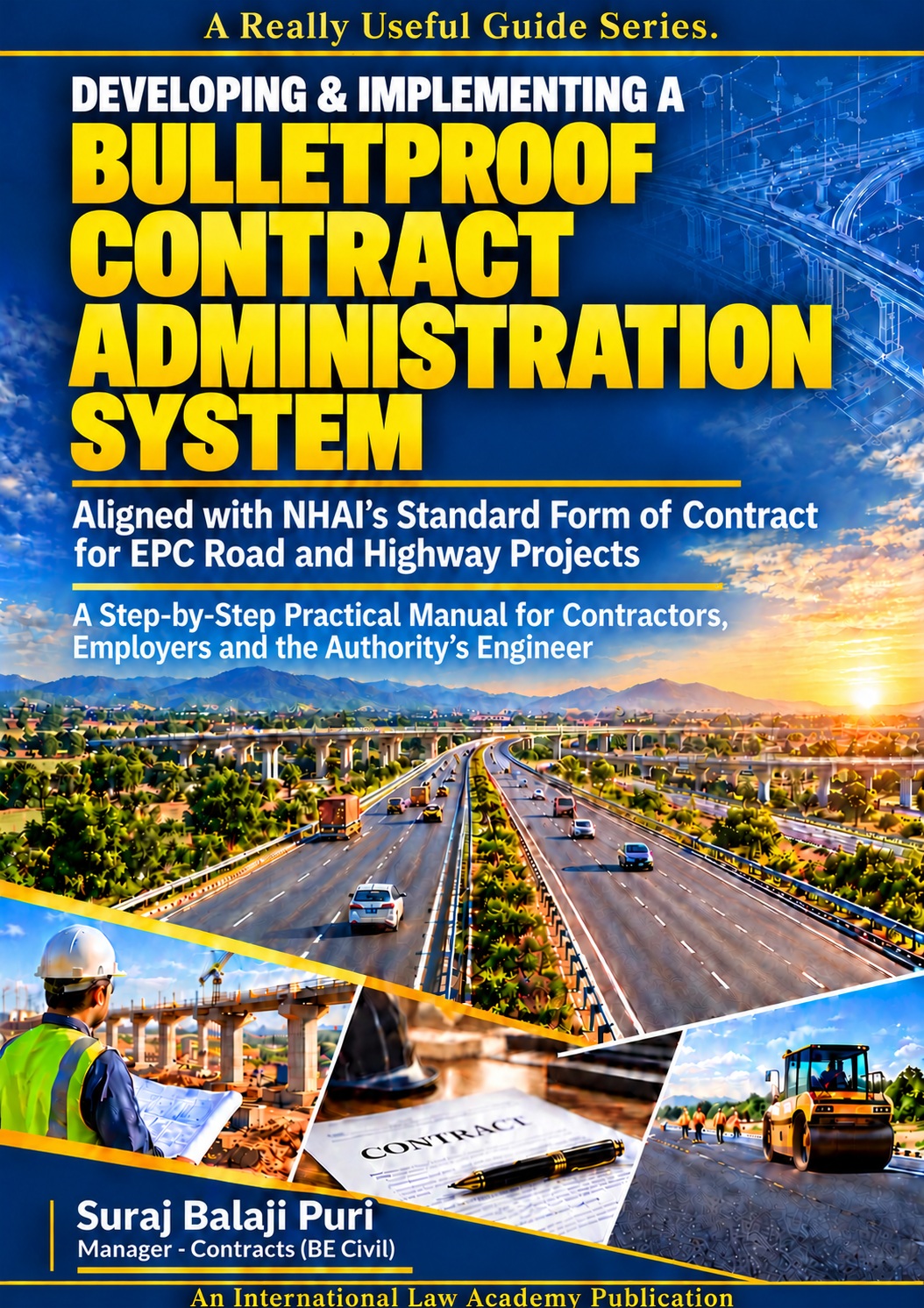
Developing & Implementing a Bulletproof Contract Administration System
Synopsis coming soon — how to develop and implement a bulletproof contract administration system for construction projects.
₹1,000.00
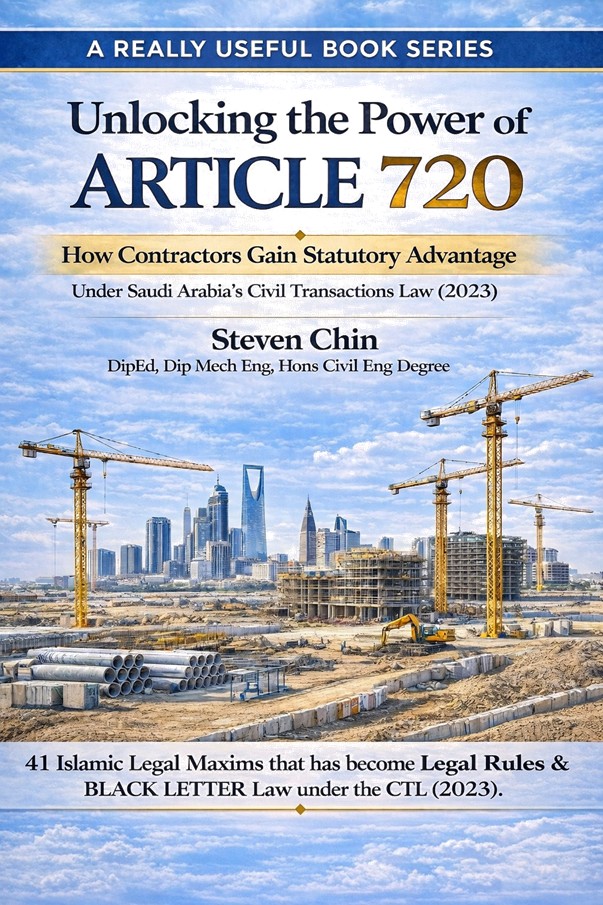
Unlocking the Power of Article 720
A contractor-focused practical guide explaining how the 41 statutory legal maxims under Article 720 can be used to counter unfair contract terms, improve claims success, and strengthen commercial protection in Saudi construction projects.
USD 18.00
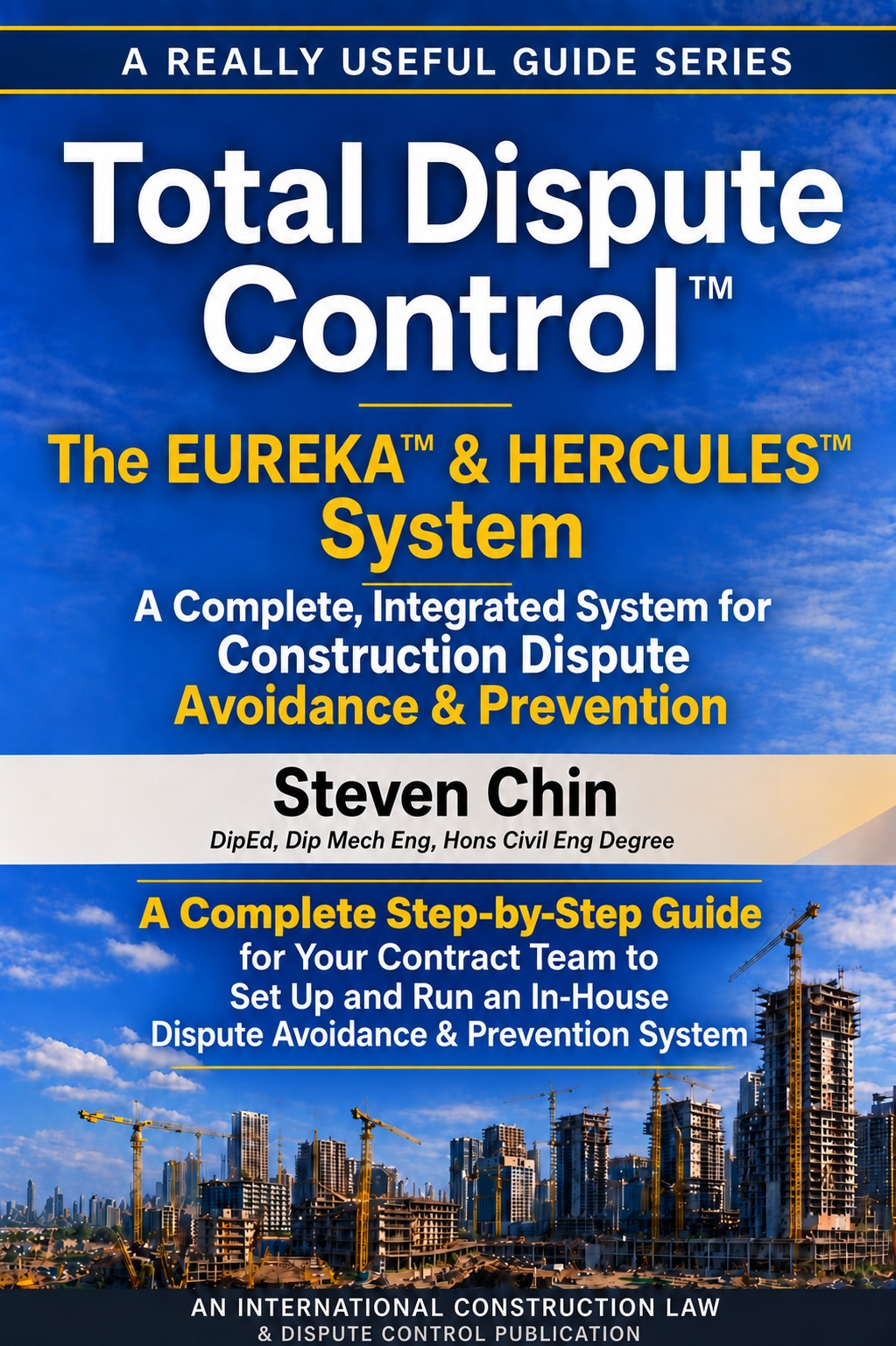
Total Dispute Control™
A comprehensive project execution and dispute prevention system that equips construction professionals with the tools, processes, and strategies needed to prevent disputes, protect entitlements, and maximise commercial success throughout the project lifecycle.
USD 20.00
International Arbitration Series
Winning international construction arbitrations — strategy, enforcement and lessons from major cases.
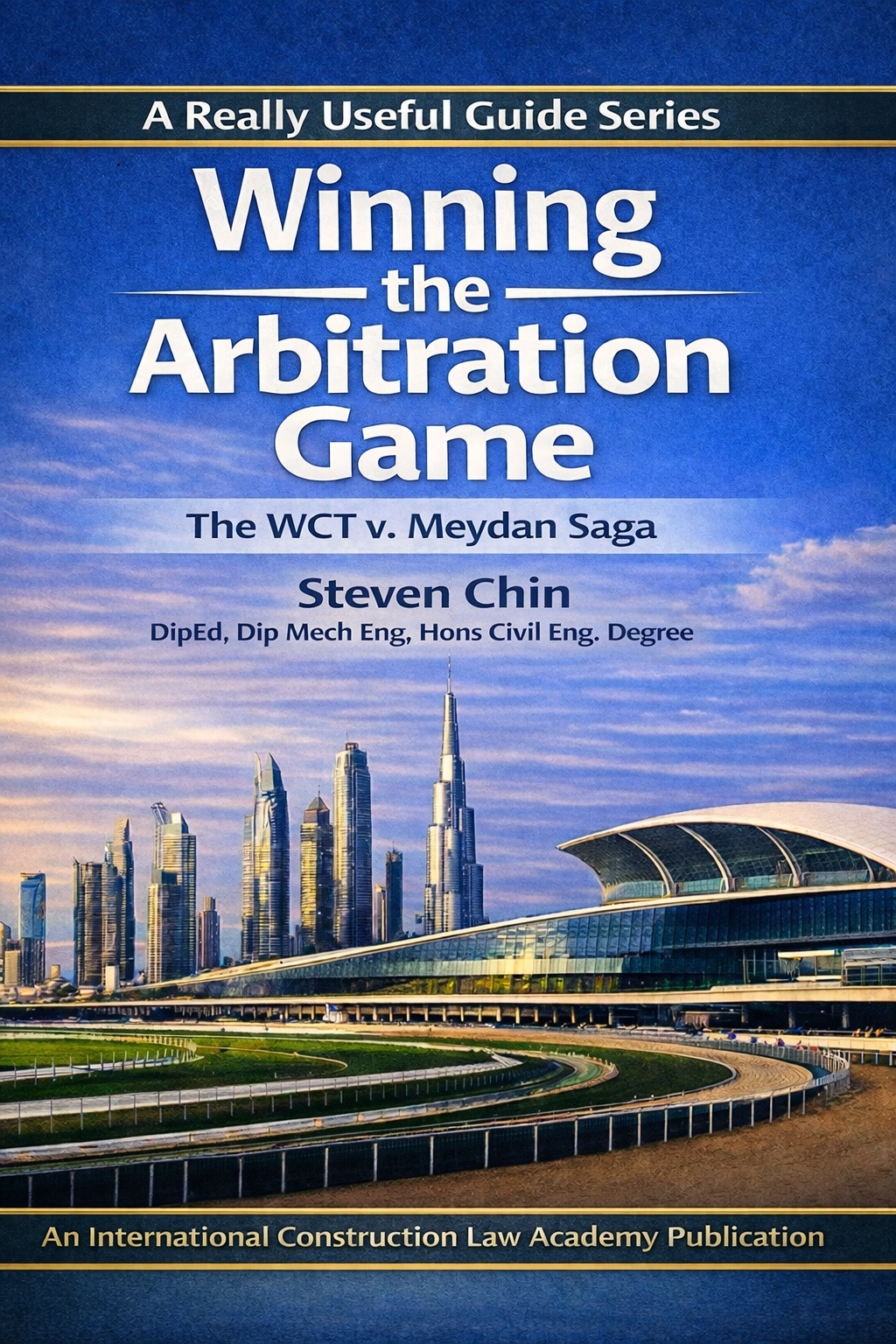
Winning the Arbitration Game™
A practical contractor’s guide revealing why enforcement — not arbitration — is the real dispute, and how disciplined claim design can transform an arbitration award into actual payment.
USD 18.00
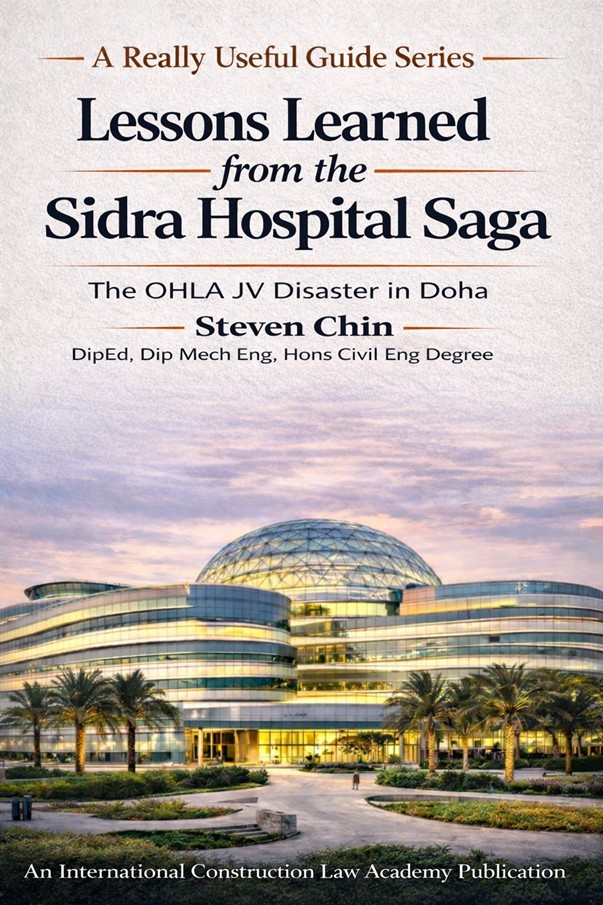
Lessons Learned from the Sidra Hospital Saga™
A practical contractor’s guide revealing how major construction claims are lost through weak entitlement management, inadequate documentation, and poor evidential discipline — and how these failures can be prevented before arbitration begins.
USD 18.00
Post-Mortem Series
Forensic studies of collapsed contractors and failed projects — what went wrong and how to avoid it.
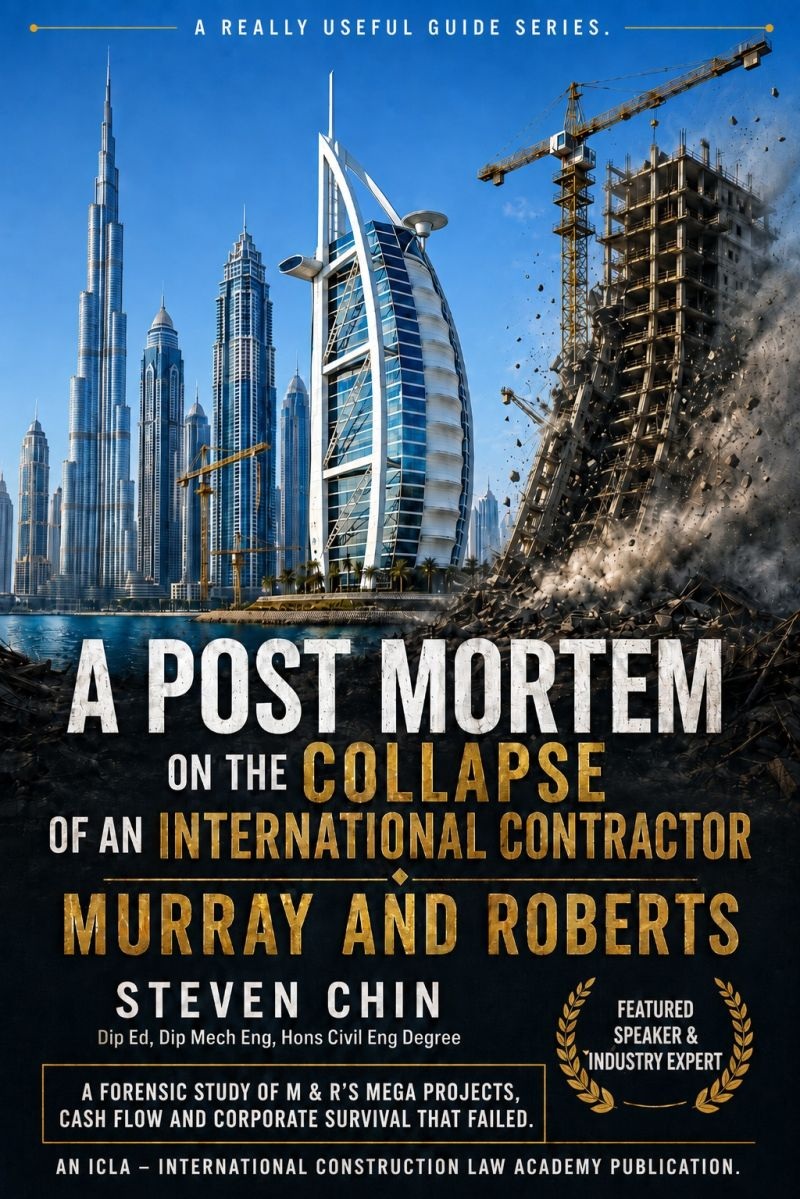
A Post Mortem on the Collapse of Murray and Roberts
MURRAY & ROBERTS — A Post-Mortem on the Collapse of an International Contractor. Murray & Roberts built an international reputation through engineering capability, landmark projects and ambitious expansion. Yet successive crises gradually weakened the financial foundations supporting that reputation. This book reconstructs the journey from Gulf construction success to strategic retreat, the Clough crisis in Australia and the eventual break-up of the historic group. It examines how the cancellation of major projects during the global financial crisis removed future workload while completed projects continued generating costs, disputes and financial obligations — with Dubai International Airport and Mafraq Hospital showing how claims, final accounts, defects and guarantees stay commercially alive long after construction ends. It follows the repositioning towards specialist engineering and natural resources, where Clough's fixed-price commitments, pandemic disruption, delayed milestone payments and unresolved claims created funding demands the parent could no longer sustain. Its central argument: each crisis consumed part of the group's ability to withstand the next, until restricted working capital began causing further delays and losses. Written for directors, construction executives and commercial professionals, it connects contract administration, project forecasting and corporate finance — identifying the warning signs and intervention opportunities before distress becomes irreversible.
USD 25.00
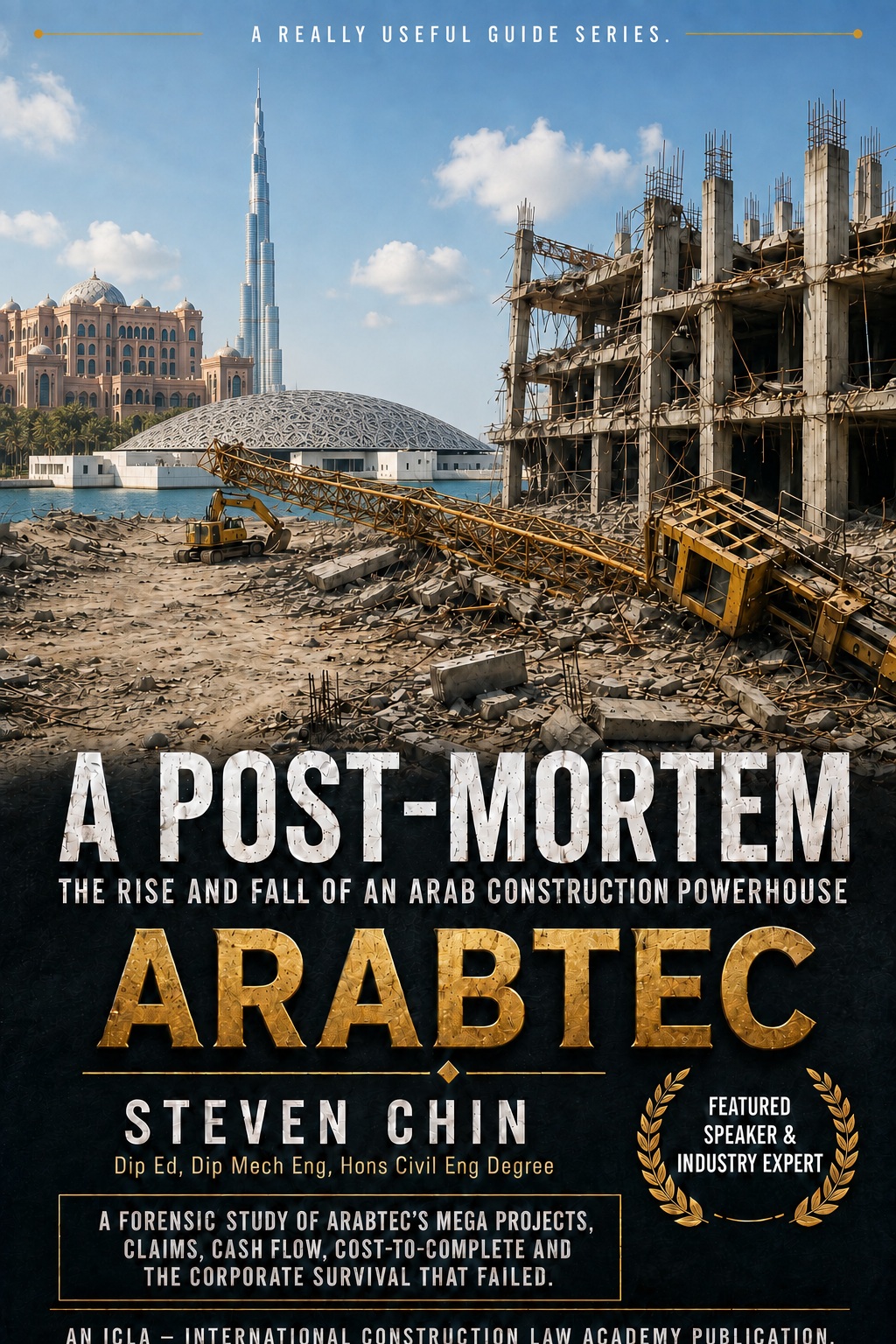
A Post-Mortem — The Rise and Fall of Arabtec
ARABTEC — A Post-Mortem: The Rise and Fall of an Arab Construction Powerhouse. Arabtec helped build the world's tallest tower, yet ultimately could not sustain the financial structure supporting its own business. From its 1975 establishment alongside Dubai's growth, public listing, specialist expansion and the Burj Khalifa, through the global financial crisis that exposed the vulnerability beneath its enormous order book — future work disappearing while payment for work done stayed trapped in receivables and disputes. The story follows expansion into Saudi Arabia and Abu Dhabi, the Vision 2018 strategy, project reassessments producing billions of dirhams in losses, the 2017 recapitalisation and eight profitable quarters that proved insufficient — with auditor challenges, financing pressures and covenant breaches already present before COVID-19. For boards, finance directors, commercial managers and project leaders: four intervention windows and eight areas of scrutiny. Its warning: reported profit, entitlement and backlog offer limited protection without the cash and time to realise their value.
USD 25.00
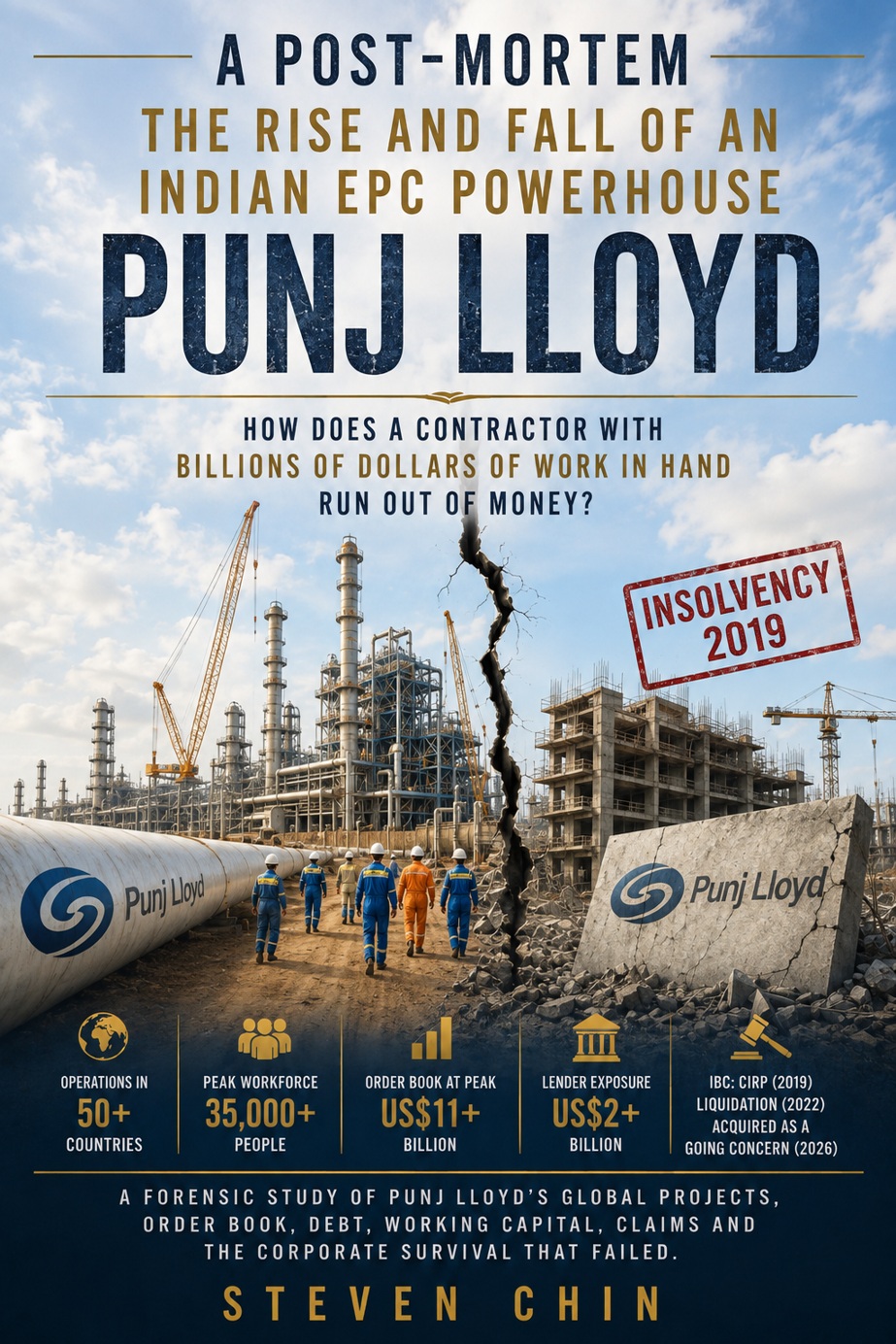
A Post-Mortem on Punj Lloyd — Indian EPC Powerhouse
PUNJ LLOYD — A Post-Mortem: The Rise and Fall of an Indian EPC Powerhouse. Punj Lloyd's multibillion-dollar order book promised years of activity, yet the company struggled to finance the work secured. From early pipeline projects through overseas expansion, listing, and the Sembawang and Simon Carves acquisitions — bringing capabilities alongside inherited obligations, guarantees and complex funding needs. Contractual disputes, Libya interruptions and slow claims recovery tied up cash; borrowing bridged the gap while interest consumed returns, and restricted bank support slowed procurement, execution and billing. Through restructuring, Singapore judicial management and creditor disagreement into 2019 insolvency and 2022 liquidation — to Adani Infra's 2026 going-concern acquisition. Four intervention windows and eight areas of scrutiny. Its lesson: capability, entitlement and workload must be supported by enough cash and banking capacity to withstand payment delays.
USD 25.00
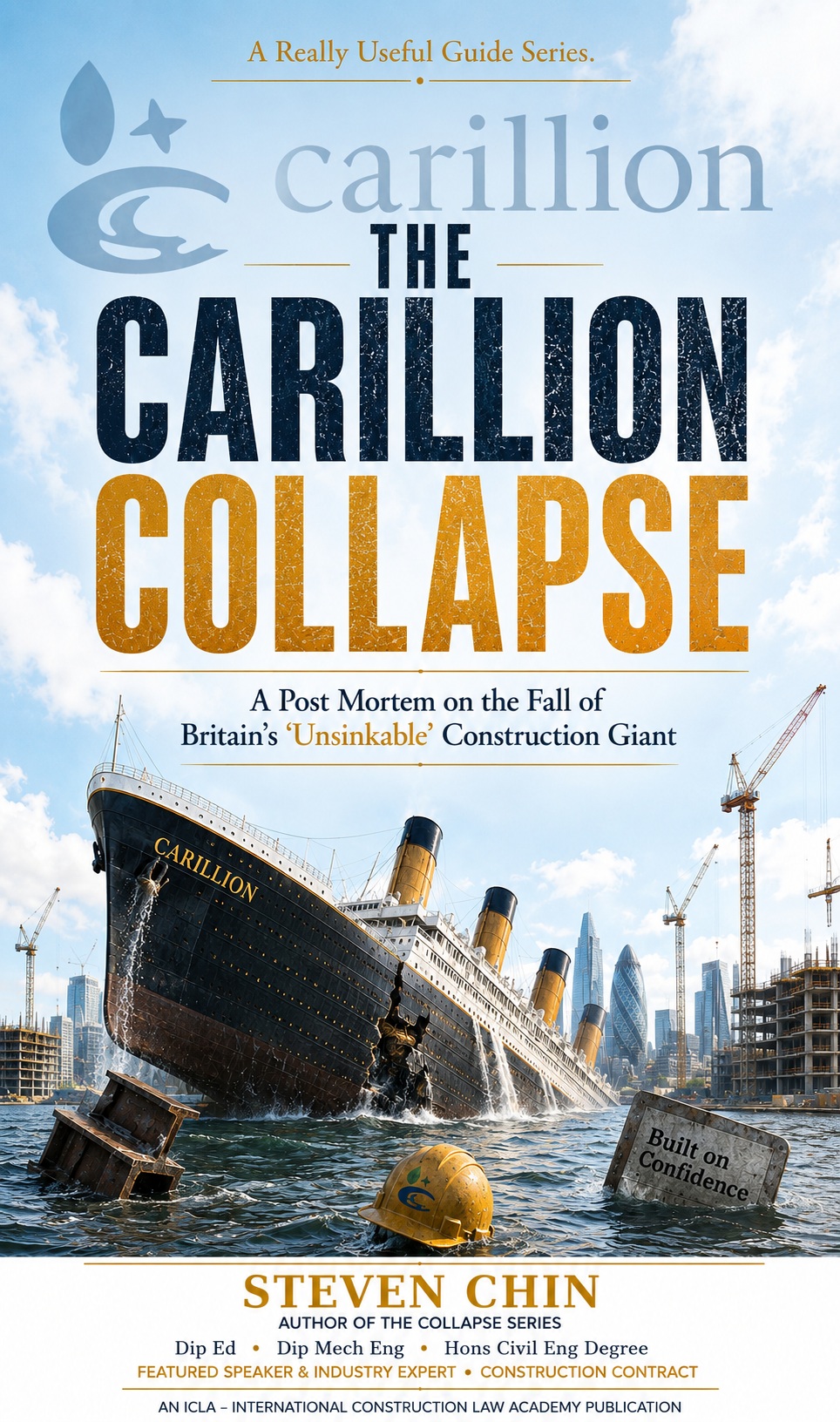
The Carillion Collapse — A Post Mortem
THE CARILLION COLLAPSE — A Post-Mortem on the Fall of Britain's 'Unsinkable' Construction Giant. Carillion's scale, government contracts and rising dividends conveyed strength — while deteriorating projects and mounting commitments consumed operating resources, ending in January 2018 compulsory liquidation. From the 1999 Tarmac separation through acquisitions, infrastructure, facilities management and international contracting — accumulating debt, pensions and complexity, dependent on new wins and forecast cash. Royal Liverpool, Midland Metropolitan, Aberdeen Western Peripheral Route, Battersea and Msheireb reveal the gap between project assessments and corporate reporting — into the £845 million July 2017 provision, revisions, asset sales, emergency borrowing and failed rescues. Dividends, supplier financing, delayed loss recognition and oversight shortcomings compounded the pressure. It follows the consequences for employees, suppliers, pension members, public services and unfinished projects — and identifies earlier opportunities to preserve cash, challenge forecasts and act while choices still remained.
USD 25.00